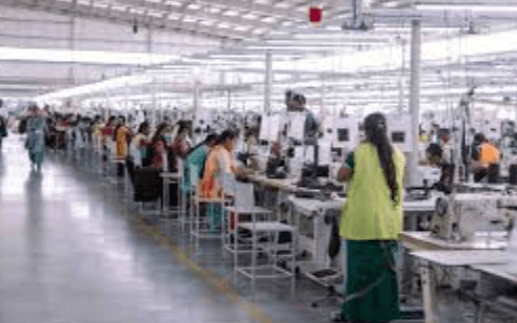

Ethical production in fashion centers on responsible sourcing, worker dignity, and transparent supply chains. Brands pursue auditable wage standards, safe workplaces, and proactive remediation across supplier tiers. Environmental metrics—emissions, water usage, material footprints—guide data-driven decisions and continuous improvement. Open dashboards and third-party audits support accountability and collaborative governance. As procurement aligns with measurable impact, the path forward hinges on scalable, verifiable change that customers and partners can trust, inviting sustained attention to the next steps.
What Ethical Production Really Means in Fashion
What does ethical production really entail in fashion? Data shows a framework centered on ethical sourcing, environmental stewardship, and supply chain transparency. The analysis prioritizes worker dignity, measurable impact, and traceable practices across suppliers. A forward-looking model aligns procurement incentives with accountability, driving continual improvement. Freedom-centered metrics empower brands to disclose progress, set ambitious targets, and foster trust among stakeholders without compromising creative integrity.
How Brands Build Fair Wages and Safe Workplaces
One key question guiding progress is how brands ensure fair wages and safe workplaces across complex supply chains, leveraging verifiable data to drive accountability. The approach centers on transparency, auditable wage standards, and proactive remediation. Partners collaborate to align incentives, share performance metrics, and implement progressive wage structures, while continuous monitoring detects gaps, enabling scalable improvements toward fair wages and safe workplaces.
Measuring Environmental Impact Across the Supply Chain
Measuring environmental impact across the supply chain requires a standardized framework that captures emissions, water use, and material footprints at each tier—from sourcing to final product.
The approach hinges on supply chain mapping and lifecycle assessment, enabling transparent benchmarking, risk prioritization, and improvement targets.
Data-driven insights enable accountable decisions, scalable monitoring, and continuous reduction of environmental footprints across stages and partners.
Consumers, Transparency, and Collaborative Change
Consumer behavior, transparency, and collaborative change are increasingly interdependent drivers of ethical production in fashion. Data indicates rising demand for verifiable sourcing, worker welfare metrics, and transparent reporting. Firms adopting open dashboards, third-party audits, and participatory governance show higher trust and resilience.
Consumers transparency expectations propel policy alignment; collaborative change accelerates standards adoption, reducing risk and enabling sustainable growth across supply chains.
See also: What Is a Blockchain Ledger?
Frequently Asked Questions
How Can Small Brands Achieve Scalable Ethical Production Without Compromising Cost?
The answer: Small brands achieve scalable ethical production by implementing supply chain transparency, scalable sourcing, and fair pricing while investing in worker empowerment; data-driven metrics track cost-to-impact, ensuring accountability and freedom for conscious consumers and sustainable growth.
What Certifications Truly Prove Ethical Practices Across All Supply Chain Stages?
Certification cannot wholly prove ethical practices; claims depend on scope and verification challenges. The answer: certification scope and rigorous third-party verification, ongoing audits, and transparent data are essential for credible, forward-thinking accountability across the supply chain.
How Do Labor Rights Differ Across Regions and Enforceable Standards?
Labor rights vary by region, with regional enforcement shaped by legal frameworks, labor unions, and penalties; data shows stronger outcomes where independent audits and transparent reporting prevail, supporting a forward-thinking, accountability-focused approach for a freedom-seeking audience.
Can Circular Fashion Models Ensure Long-Term Worker Safety and Fair Wages?
Can circular fashion models secure long-term worker safety and fair wages? Circular labor promises safeguards, but true outcomes require robust monitoring, transparent Wages accountability, and independent audits; data-driven metrics, scalable enforcement, and worker empowerment enable enduring, freedom-oriented improvement.
What Role Can Consumers Play in Validating Ethical Manufacturing Claims?
Consumer verification can strengthen supply chain transparency by empowering buyers to scrutinize claims, demand documentation, and compare audits; data-driven benchmarks enable accountability, drive continuous improvement, and support a future where informed choices align with ethical manufacturing standards.
Conclusion
This examination positions ethical production as a measurable, ongoing program rather than a slogan. By aligning supplier audits, wage standards, and safe-work assurances with standardized environmental metrics, brands must translate data into accountable action. Transparent dashboards and third-party verification create verifiable progress across tiers, enabling proactive remediation. Like a compass guiding steady travel, data-driven governance keeps stakeholders oriented toward durable improvements, scalable collaboration, and responsible lifecycle stewardship for every garment.